
Scripture:
Exodus 11:3
The Lord gave the people favor in the sight of the Egyptians. Moreover, Moses himself was a man of great importance in the land of Egypt, in the sight of Pharaoh’s officials and in the sight of the people. (NRSVUE)
Observation:
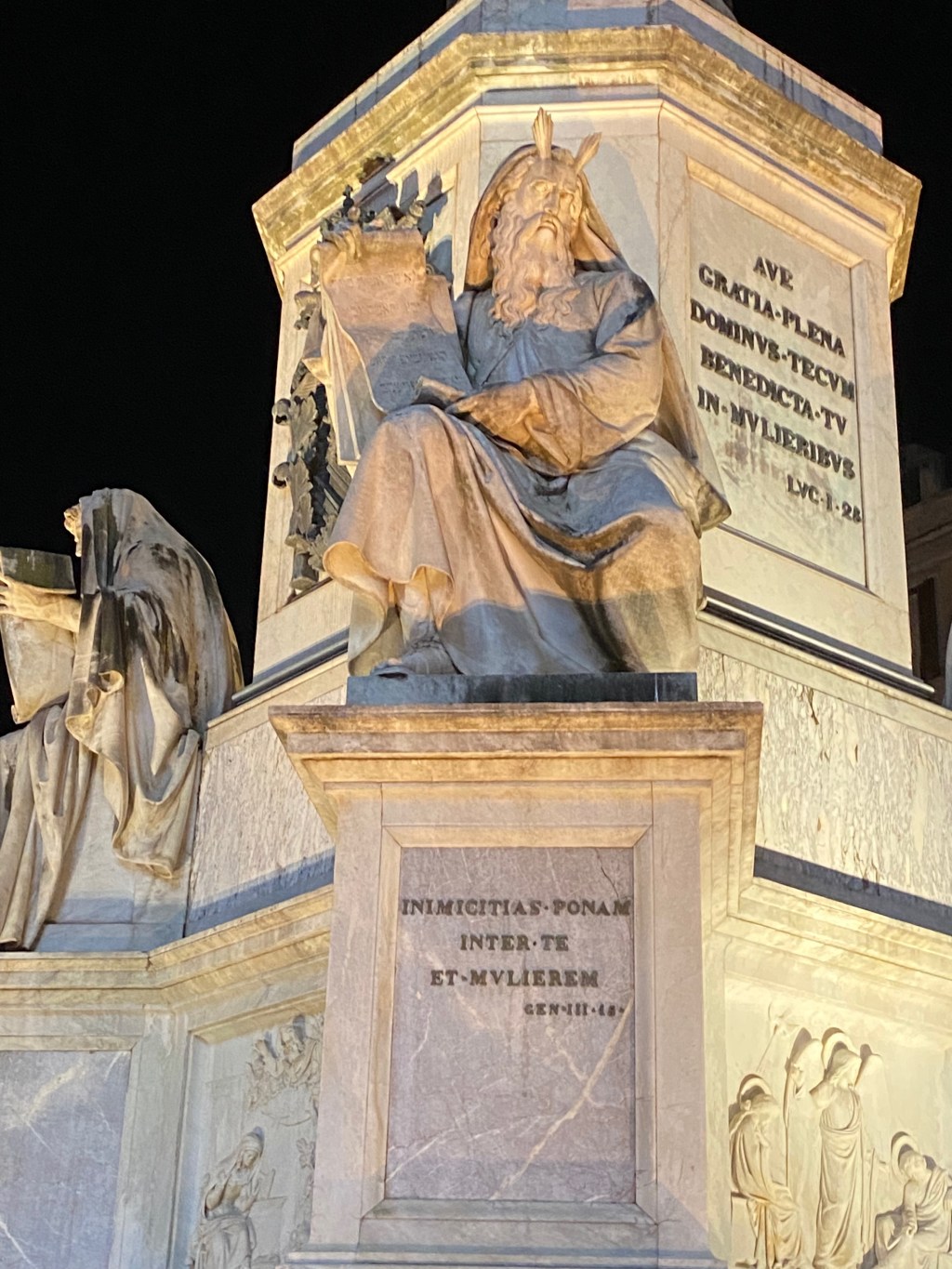
Reading earlier in Exodus, Moses tells the Lord over and over again how unqualified he is for leadership. He tells the Lord that he cannot speak well, so his brother Aaron becomes his spokesman. He doesn’t think the people will want to follow him, and he makes one self-deprecating remark after another.
Now we’ve been through the plagues and all that has been happening in Egypt. Could it be that, little by little, through this sequence of events, Moses is being shaped and formed into the leader God needs him to be — and everyone is seeing it except, maybe, Moses?
Read that résumé carefully. Moses is now “a man of great importance in the land of Egypt.” Wow — how did that happen? As we read on, we discover that this view of Moses reaches even to “Pharaoh’s officials and in the sight of the people.” Evidently, even the ordinary people of Egypt have come to regard Moses as a person of significance.
God took a man who doubted his own abilities and formed him into a leader who would participate in the deliverance of his people.
Application:
Imposter syndrome is a term I learned about a few years ago. Honestly, I felt like it described me in many ways. What was I doing leading a seminary, or becoming a general superintendent in the church? It was the little voice inside of me that would say that I didn’t belong there. Who was I to think that I could do this thing?
What I’ve learned is that many people experience imposter syndrome. It often happens when we are challenged to step into a new role that feels bigger than ourselves. Maybe we’ve spent years imagining what leaders really should be like, and then when we find ourselves in the position, we discover how human leaders truly are. And the little voice says — you’re an imposter!
The question is what we will do with that voice. The reality is that most of us are woefully unprepared for everything that life will throw at us. Moses couldn’t have imagined all that God would ask of him, but he was obedient and kept moving forward. Even when he didn’t think he was a very good leader, God was using him. The people around him began to see something in Moses that perhaps he still had difficulty seeing in himself.
One of the greatest lessons we can learn from imposter syndrome is just how dependent we are upon the Lord. Moses was not a man of great importance because he had carefully cultivated his reputation or developed the perfect leadership résumé. He became a man of great importance because God called him, God was with him, and Moses kept saying yes — sometimes reluctantly — and participating in what God was doing.
Maybe those feelings of inadequacy can even serve us when they remind us that what we are participating in is bigger than we are. We don’t have to pretend that we have all the skills, all the answers, or all the confidence. We simply have to keep following the One who called us.
Maybe the answer to imposter syndrome isn’t finally to convince ourselves that we are qualified.
Maybe it is to remember who is with us.
It’s not all about us.
It has to be about Him!
Prayer:
Lord, may I trust in You today in ways I never thought possible. Please take my misgivings and my lack of confidence in some areas of life and use them for You. When I feel inadequate for what You have called me to do, remind me that You are with me. Help me to keep saying yes and faithfully participate in what You are doing. Amen.
 Reflecting the Image
Leave a comment